
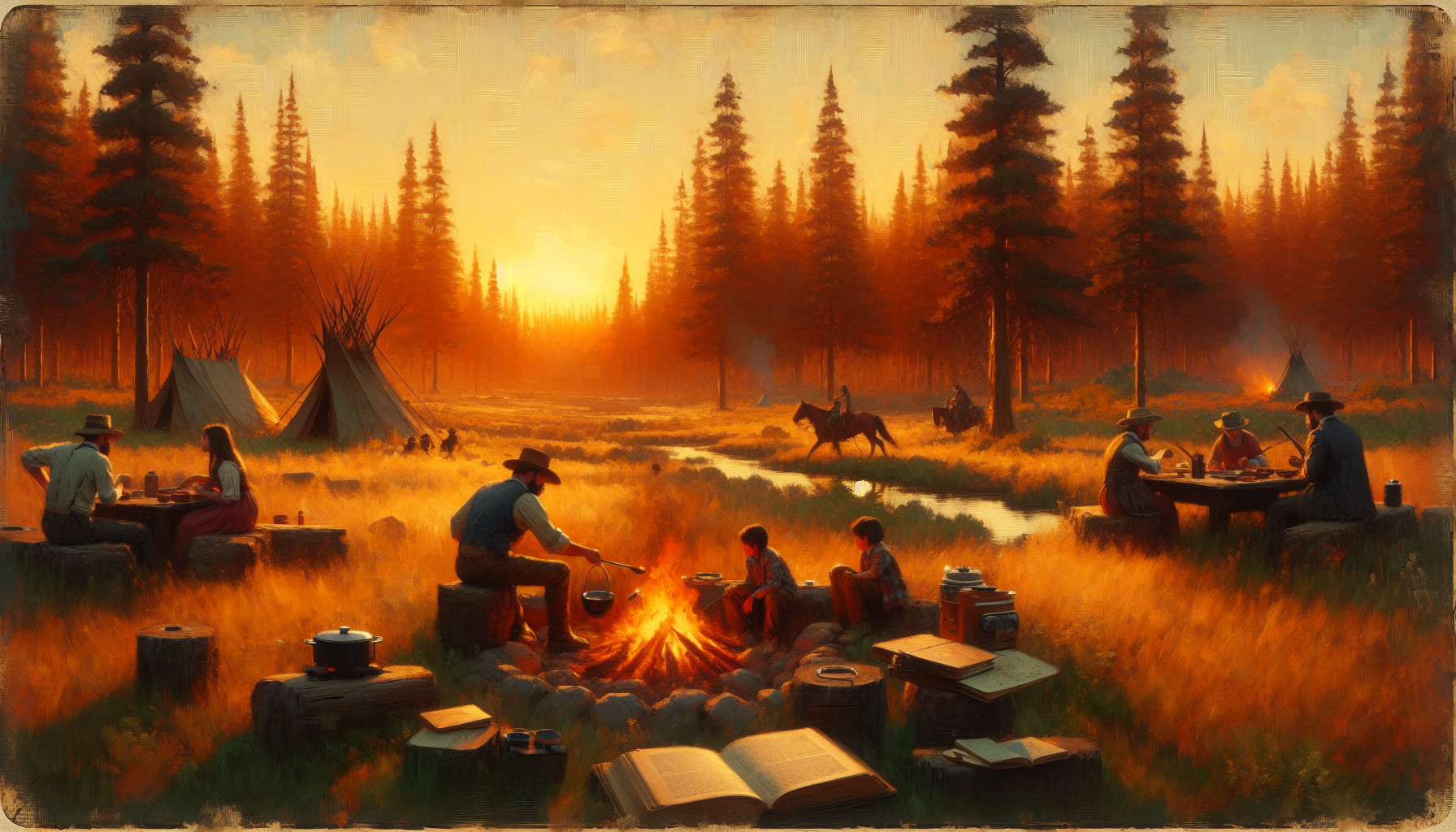
The Magic of Scent: Why Smells Make Camping Memories So Special
When we think back to family camping trips, what comes to mind? For many, it’s not just the sights—the towering trees, starry night skies, or colorful tents—but the smells that instantly transport us back. The earthy scent of damp pine needles, the smoky aroma of a campfire, or the crisp freshness of mountain air all have an uncanny way of stirring emotions and unlocking vivid memories.
That’s because our sense of smell is closely linked to the brain’s memory and emotion centers. A single whiff of campfire smoke can bring you right back to laughing around the fire, sharing stories with your kids, or enjoying a quiet moment in nature’s embrace. This makes scent an incredibly powerful tool for preserving the magic of camping.
Why Capture Sensory Memories in Words?
Photos and videos do a great job capturing visuals, but they can’t bottle up the warmth of a campfire’s smoke or the refreshing scent of morning dew. Writing down those sensory details helps make your memories multi-dimensional, enriching your family story in a way that photos alone can’t.
For families—whether it’s parents camping with toddlers or multi-generational getaways—documenting sensory experiences encourages mindfulness, creativity, and deeper connection. It invites everyone to slow down, notice more, and share what makes your camping trip unique.
Practical Tips to Capture the Smell of Camping
1. Keep a Sensory Camping Journal
Bring a dedicated notebook or journal on your trip and encourage everyone to jot down not just what they see, but what they smell, hear, and feel. Prompt kids with simple questions like, “What does the campfire smell like to you?” or “Can you describe the scent of the pine trees?”
For example, after setting up camp at Marys Lake in Estes Park, you might write: “The air smells cool and fresh, with a faint hint of damp earth and blooming wildflowers.” These little details add layers to your memory and make the story come alive.
2. Use Descriptive and Personal Language
Encourage your family to be playful and imaginative with words. Instead of just “smells like a campfire,” try “the campfire smells like toasted marshmallows mixed with smoky pine needles.” Or, “the morning air is crisp like a freshly opened apple.”
This helps create vivid sensory pictures and makes journaling more fun for everyone.
3. Collect Natural “Memory Tokens”
Sometimes the best way to remember a scent is to bring a piece of it home. Collect pinecones, a sprig of wildflowers, or even a small jar of campfire ashes (safely!) to use as memory triggers when you revisit your journal. This tactile connection helps bring those smells back to life.
4. Create Family Storytime Around Senses
At the end of the day, gather around the campfire and share your favorite sensory moments. Perhaps at Elk Creek, a grandparent recalls the smell of wild sagebrush while spotting moose nearby, while the kids describe the sweet scent of pine sap. These shared stories deepen bonds and keep memories vivid.
5. Experiment with Scent-Inspired Art and Crafts
After your trip, encourage children (and adults!) to draw or paint their favorite smells from the trip. You might also try scent-based activities like making pine needle sachets or homemade candles as a creative way to preserve those fragrances.
Reliving Smells From Popular Campgrounds
Each campground holds its own unique fragrance story. At Pioneer Park near Hot Sulphur Springs, the slightly sulfurous aroma mingles with fresh mountain pine, creating an unusual but memorable scent landscape. Kids might giggle at the odd smell, but it’s all part of an authentic outdoor experience.
Near Marys Lake, the scent of cool lake water and pine is ever-present, making morning hikes feel like a breath of fresh air—literally. And at Elk Creek, the mix of wildflowers, forest floor, and occasional whiffs of wildlife is a sensory treasure that’s easy to miss if you’re rushing through.
Why These Memories Matter
Years from now, your kids may forget the exact trail you hiked or the campsite number—but they won’t forget how the campfire smelled, or the fresh mountain breeze that greeted them each morning. Capturing these sensory moments bonds your family’s experience and creates a shared story that can be retold for generations.
In today’s fast-paced world, taking time to notice, describe, and preserve these small but beautiful details is a gift—to yourselves and your family’s legacy.
Final Thoughts: Savor the Moments and Write Them Down
The smell of camping isn’t just a fleeting sensory experience; it’s a gateway to emotion, imagination, and togetherness. Next time you head out on a family camping trip—whether it’s your first or your tenth—remember to pause, breathe in deeply, and capture those scents in words.
Bring along a journal, ask your kids to describe what they’re smelling, and share stories by the fire. These simple acts can transform your trip from “just another camping weekend” into a cherished chapter in your family’s adventure book.
Happy camping and happy memory-making!